



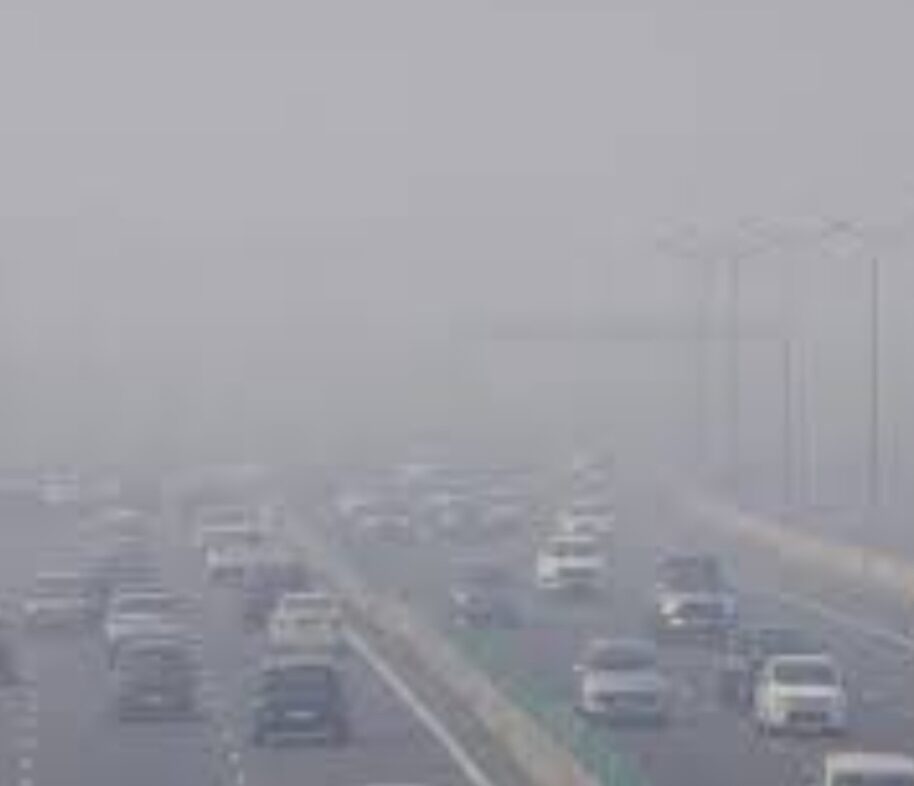
The festival of Diwali may have passed, but the effects of toxic smoke from firecrackers and fireworks haven’t ended yet. Pollutants released into the air by fireworks during the festival can linger in the atmosphere for several days. This is why air quality remains poor in many cities even after Diwali. In such a situation, fireworks, amidst the festive festivities, can now take a toll on people’s health. Those most at risk are those already suffering from respiratory diseases. According to experts, fine particles like PM 2.5 and PM 10 present in polluted air can enter the body through breathing and reach the lungs. PM 2.5 particles are so small that they can penetrate deep into the lungs and even enter the bloodstream. Prolonged exposure to these particles can increase respiratory problems and adversely affect cardiovascular health. Dust, smoke, and chemical pollutants present in the air after Diwali further harm the environment.
Many times, due to humidity, low wind speed and temperature changes, pollutant particles remain suspended in the atmosphere. Its impact can be felt more in the morning and late evening. In such a situation, it is important to be cautious not only on the day of Diwali but also for a few days after that. Polluted air can have the greatest impact on children, the elderly, pregnant women and people suffering from respiratory diseases like asthma and COPD. Children’s lungs are still developing, while the immunity and breathing capacity of the elderly can be affected with age. Long-term exposure to pollution is also a matter of concern for pregnant women.
Exposure to polluted air can cause persistent cough, sore throat, nasal irritation, watery eyes, chest heaviness, and shortness of breath. Those already suffering from asthma may experience more difficulty breathing. Some may also experience headaches and fatigue. Although it’s not always possible to completely avoid pollution, exposure to it can be significantly reduced by taking some necessary precautions. The important thing is that this doesn’t require any special measures. From wearing a mask when stepping out to maintaining clean indoor air and making changes to your daily routine, many small steps can help protect your lungs.
Follow these 8 important measures to protect yourself from pollution
Wear a good quality mask when going out. After Diwali, if pollution levels are high in your city and you must go out, use an N-95 or equivalent certified mask. Ensure the mask covers the nose and mouth properly and fits snugly. Wearing a loose mask can allow polluted air to enter through the edges. Ordinary cloth or surgical masks do not provide adequate protection against very small particles like PM 2.5. Therefore, choose a mask wisely during pollution. Avoid morning walks and outdoor exercise. Morning walks are generally considered beneficial for health, but when air quality is poor, this practice can be harmful. When pollution levels are high in the morning and evening, avoid running, jogging, or vigorous exercise in open fields. Physical activity increases breathing rate, which can cause more pollutant particles to reach the lungs. At such times, light exercise indoors is a better option. Use an air purifier at home. If pollution levels around you are consistently high, an air purifier can be used to keep the air inside your home clean. Choose a device with a high-efficiency HEPA filter. This helps filter out many types of fine particles in the air. When purchasing an air purifier, it’s important to consider the size of the room and the device’s capacity.
Regularly clean and replace its filters. Keep windows and doors closed when pollution increases. When the outside air is extremely polluted, it’s best to keep windows and doors closed. This can reduce the entry of pollutants from outside into the house. However, this doesn’t mean that air circulation in the house should be completely cut off. When air quality improves, ensure natural ventilation by opening windows at appropriate times. When cooking in the kitchen, ensure smoke venting. Maintain dehydration. Drinking adequate water during pollution is essential. Dehydration can increase dryness and discomfort in the throat. Therefore, drink water at regular intervals throughout the day. Also, ensure a balanced diet and adequate sleep. However, it’s important to understand that drinking too much water doesn’t flush out pollutants accumulated in the lungs. While water helps keep the body hydrated, other measures are also necessary to protect against pollution.
Avoid smoking and indoor smoke. When the environment is already polluted, additional sources of smoke within the home should be reduced.
Avoid cigarettes, bidis, and other tobacco products completely. Also, try to avoid the smoke from incense sticks, dhoop, and mosquito coils. When cleaning the house, use a wet cloth or mop instead of a dry broom. This reduces the spread of dust particles in the air. Pay special attention to the health of children and the elderly. Avoid prolonged outdoor activities during pollution. Instead of letting young children play in open fields and roadsides, engage them in safe indoor activities. People suffering from asthma, COPD, and heart disease should take special precautions. Such patients should take their prescribed medications and inhalers regularly. Pregnant women should also avoid unnecessary outdoor activities during high pollution. Check the AQI before venturing out. Check the Air Quality Index (AQI) of your city before venturing out. This indicates the air quality and how dangerous the pollution level can be. The higher the AQI, the greater the health risk.
If pollution levels are in the poor or very poor category, reduce your time spent outdoors. Avoid outdoor exercise and only perform essential tasks outside. Don’t ignore breathing problems. As important as taking precautions to protect yourself from pollution after Diwali is, it’s equally important to understand the symptoms that appear in your body. If you experience persistent cough, shortness of breath, chest tightness, or wheezing, don’t ignore them, thinking they’re a normal seasonal problem. Seek medical advice if symptoms worsen in asthma and respiratory patients. Severe shortness of breath, chest pain, or a sudden worsening of the condition warrants immediate medical attention. The effects of pollution aren’t limited to just a day or two during Diwali. Therefore, it’s important to remain vigilant for a few days even after the festival. Staying in clean air, avoiding smoke, and adjusting your daily routine according to the AQI are the best ways to protect your lungs from the damage caused by pollution.